
 ">WeChat
How do you unmount the software installed with make integration?
make >& LOG_make &
make install >& LOG_install &
Remember all the output logs of ‘make install’, ‘make install &> ⁇ tee make.log’. Then you can see in the log that those files are installed to those positions, and usually copy them using ‘cp’ or ‘install’ commands.
# Install auto-apt and checkinstall
apt install auto-apt checkinstall# In the source directory
auto-apt run ./configure
make
checkinstall
It’s easy to unload and re-install a Deb package. # Total unmounting (packagename specific name will be hinted after the checkintall is finished)
dpkg -r packagename# Re-installation with generated Deb packages
dpkg -i ***.debMore practical commands# List the file locations installed in the package
dpkg -L packagename# Checking for installation success
dpkg -l | grep packagename# Idem
apt list --installed | grep packagename]
Generally, make install completes a file of all the contents of the installation and then…xargs rm < install_manifest.txt. Without this file, you can remake install yourself and filter the install information out of the log.


Load directory, rm-ref delete all directories and should be able to remove them clean as they are whereis python
python: /usr/bin/python2.6-config /usr/bin/python2.6 /usr/bin/python /usr/lib/python2.6 /usr/lib64/python2.6 /usr/local/bin/python3.3m-config /usr/local/bin/python3.3m /usr/local/bin/python3.3 /usr/local/bin/python3.3-config /usr/local/lib/python3.3 /usr/include/python2.6 /usr/share/man/man1/python.1.gz


Find a temporary directory to install again. For example ./configure-prefix=/tmp/to_remove && Make install and then go through the files in /tmp/to_remove, and delete all files where you were installed.
The downside is that some folders may not be deleted.

- Make input generate files.isted.list
- Select to clean the documents described in.istalled.list (if multiple versions require special care)
- Case: rubby2.4 toggle to rubby 2.3, delete all ruby software directly and reset to 2.3

It’s really understandable by analogy that windows, like the software installed under Window would leave a huge amount of garbage, such as in the register. So it usually provides uninstall programs to do offloading. And Linux does not do well on this point and depends on management. It’s nightmare for white. But providing software functions in the form of docker services can solve uninstall’s nightmares. So how do you weigh your own structure?

# Maybe INSTRAW_PREFIX, PREFIX # # if there’s a catalogue tree # # If it’s /usr you might need to add something before xargs cd xx; find. – type f ⁇ cut-c2-xargs rm-f
For the time being, the catalogue does not have a very simple approach.
未经允许不得转载:萌萌Apprentissage » How to unload the software installed with make install


 linux One Chinese script
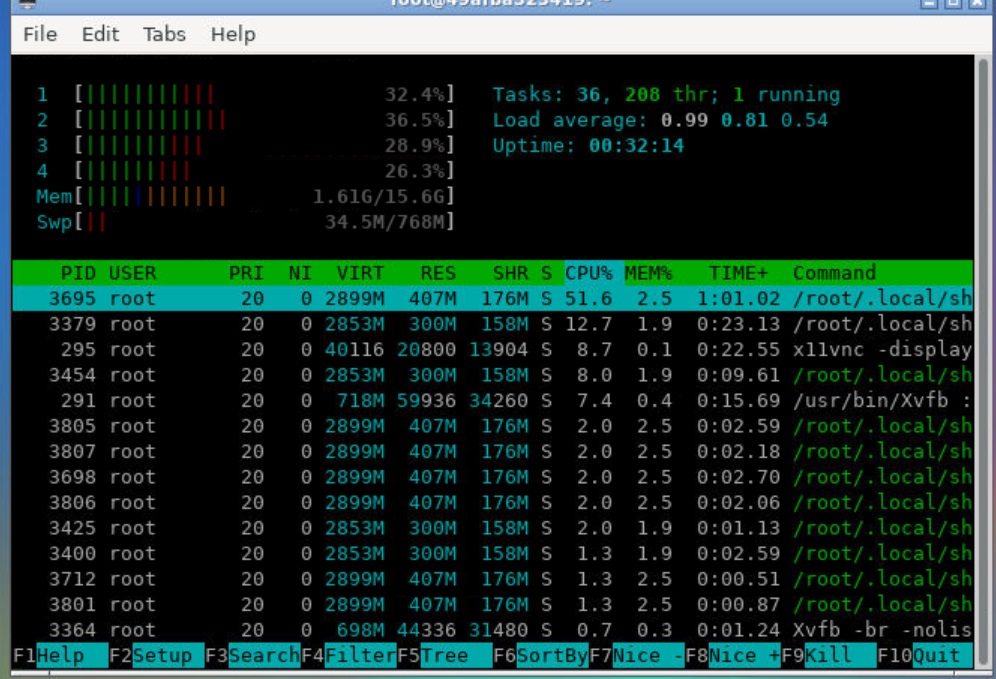 Google shell enable enhanced mode 4 nuclear 16G RAM
 Tmux use tutorial
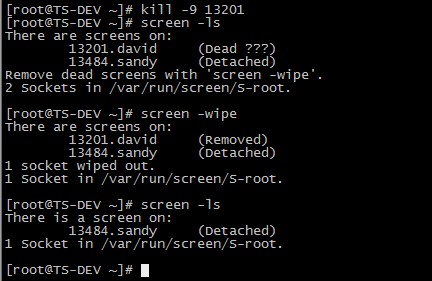 Screen's summary
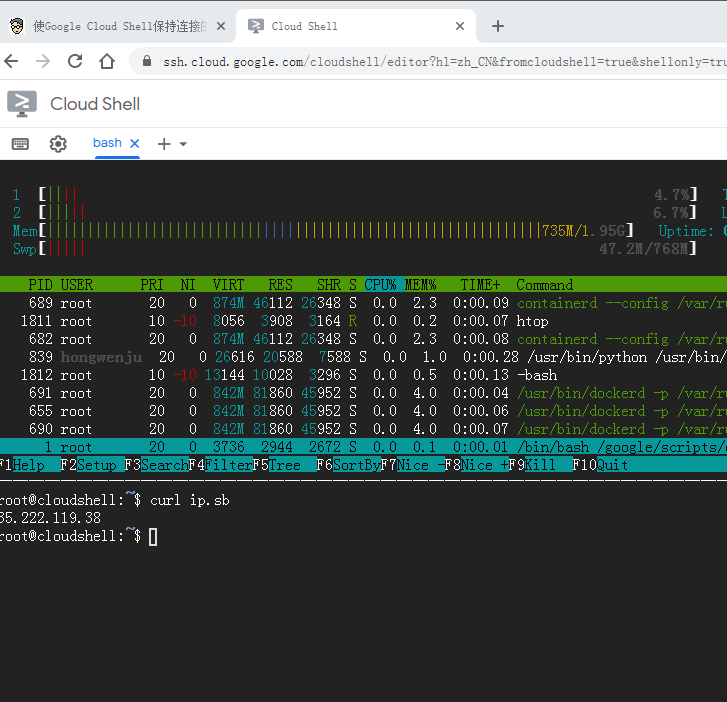 I'm gonna get you a new one, shell.cloud.google on the line.
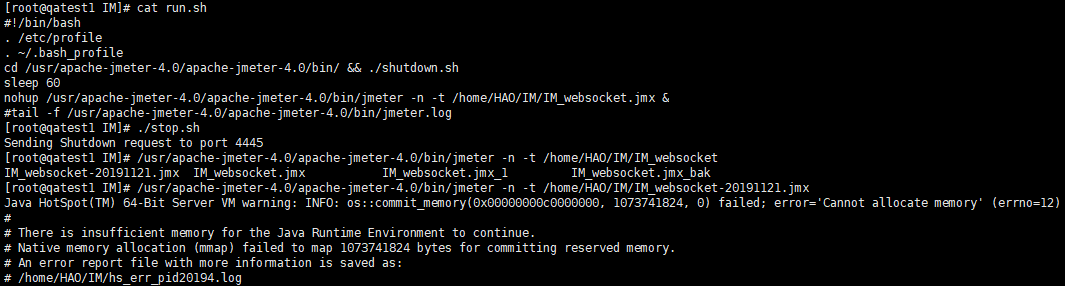 Linux Memory Clearing

