
 ">WeChat
A recent application of mask recognition, which requires pictures of many masked people as a model for data training, and because the company does not provide data, we are able to climb masks from mainstream websites using python reptiles. We have mainly crawled up images of Vitamin, 360, dogs (a little more complex than these three), coded as follows (for study purposes only):
It’s gotta search.
from bs4 import BeautifulSoup
import urllib.request
import requests
import time
import json
import sys
import re
import os

#爬取目标网站url
CRAWL_TARGET_URL = 'https://cn.bing.com/images/async?q=%s&first=%d&count=%d&relp=%d&lostate=r&mmasync=1'
#每次抓取图片数量(35是此网页每次翻页请求数量)
NUMS_PER_CRAWL = 35
#抓取图片最小大小(单位字节),小于此值抛弃
MIN_IMAGE_SIZE = 102400


def get_image(url, path, count):
    try:
        u = urllib.request.urlopen(url, timeout=9)
        t = u.read()
        if sys.getsizeof(t) < MIN_IMAGE_SIZE:
            return -1
    except Exception as e:
        print(url, e)
        return -2
    #提取图片格式
    frmt = url[url.rfind('.'):]
    p = re.compile("^\\.[a-zA-Z]+")
    m = p.match(frmt)
    frmt = m.group(0)
    try:
        if not os.path.exists(path):
            os.mkdir(path)
        f = open(os.path.join(path, str(count)+frmt), 'wb')
        f.write(t)
        f.close()
    except Exception as e:
        print(os.path.join(path, str(count)+frmt), e)
        return -3
    return 0


def crawl_data(info, num):
    first = 0
    count = 0
    #创建一个会话
    s = requests.Session()
    #创建文件路径
    path="./"+info
    if not os.path.exists(path):
        os.mkdir(path)
    index=len(os.listdir(path))#文件中原有图片数
    while(count < num):
        u = CRAWL_TARGET_URL%(info, first, NUMS_PER_CRAWL, NUMS_PER_CRAWL)
        #5.05s为发送超时时间,10s为接收到数据超时时间
        req = s.get(url =u, timeout=(5.05, 10))
        bf = BeautifulSoup(req.text, "html.parser")
        imgtags = bf.find_all("a", class_ = "iusc")
        for e in imgtags:
            if count == num:
                return False
            urldict = json.loads(e.get('m'))
            if get_image(urldict["murl"], path, index) < 0:
                continue
            print("Downloaded %d picture"%(count+1))
            sys.stdout.flush()
            count =count+1
            index=index+1
            time.sleep(0.09)
        first = first + NUMS_PER_CRAWL
        time.sleep(0.9)

    return True

if __name__ == '__main__':

    # 关键词,可设置为多个
    key_words=['戴口罩',]
    # 下载的图片数量
    picture_num = 500

    for i in range(len(key_words)):
        word=key_words[i]
        print(word)
        if crawl_data(word, picture_num):
            i=i+1
360 Search
import json
import os
import requests

# 路径
BASE_URL = './戴口罩'
# 关键词
NAME = '戴口罩'

class PictureDownload(object):
    def __init__(self, q=None, sn=100):
        self.url = 'https://m.image.so.com/j?q={}&src=srp&pn=100&sn={}&kn=0&gn=0&cn=0'
        self.headers = {
            'User-Agent': 'Mozilla/5.0 (iPhone; CPU iPhone OS 11_0 like Mac OS X) AppleWebKit/604.1.38 (KHTML, like Gecko) Version/11.0 Mobile/15A372 Safari/604.1'
        }
        self.q = q
        self.sn = sn
        self.num = 0
        self.total = 2

    def makedir(self):
        if not os.path.exists(os.path.join(BASE_URL, self.q)):
            os.makedirs(os.path.join(BASE_URL, self.q))

    def parse_url(self):
        response = requests.get(self.url.format(self.q, self.num), headers=self.headers)
        return response.content.decode()

    def parse_image_list(self, html_json_str):
        image_list = json.loads(html_json_str)['list']
        total = json.loads(html_json_str)['total']
        return image_list, total

    def save_image(self, image_list):

        for item in image_list:
            response = requests.get(item['thumb'], headers=self.headers)
            with open(os.path.join(BASE_URL, '%s\%s.jpg' % (self.q, item['index'])), 'wb') as f:
                f.write(response.content)

    def run(self):
        self.makedir()
        while self.num < self.total:
            html_json_str = self.parse_url()
            image_list, self.total = self.parse_image_list(html_json_str)
            self.save_image(image_list)
            self.num += 100
            print(self.num)


if __name__ == '__main__':
    xxx = PictureDownload(NAME)
    xxx.run()
Search the dogs.
import requests
import json
import urllib

# 三个参数,你要获取整个图片集的名字,你要获取多少张,获取过来的放在哪里
def getSogoulmag(category,length,path):
    n=length
    cate=category
    # 获取的是图片所有信息
    imgs=requests.get('http://pic.sogou.com/pics/channel/getAllRecomPicByTag.jsp?category='+cate+
                      '&tag=%E5%85%A8%E9%83%A8&start=0&len='+str(n))

    # 转换成为json格式
    jd=json.loads(imgs.text)
    # all_items所有的图片
    jd=jd['all_items']

    imgs_t=[]
    for j in jd:
        # 通过定位bthumbUrl获取图片
        imgs_t.append(j['bthumbUrl'])
    m=0
    for img in imgs_t:
        # 打印某一张图片正在下载
        print(str(m)+'.jpg'+'Downlod......')
        # 用来把远程数据下载到本地
        urllib.request.urlretrieve(img,path+str(m)+'.jpg')
        m=m+1
    print('Complete!')

# 调用整个处理逻辑
# 三个参数,你要获取整个图片集的名字,你要获取多少张,获取过来的放在哪里
getSogoulmag('戴口罩',10,'./sougoutupian/')
The process of climbing 360 images is shown in figure 1:

Figure 1 Climbing 360 images, we can see that after using the pycharm running program, the pictures start downloading, and of course some of them interfere with data and need manual clean-up, which is much easier than a single download.
未经允许不得转载:萌萌Apprentissage » Python batches to extract mainstream search engine pictures


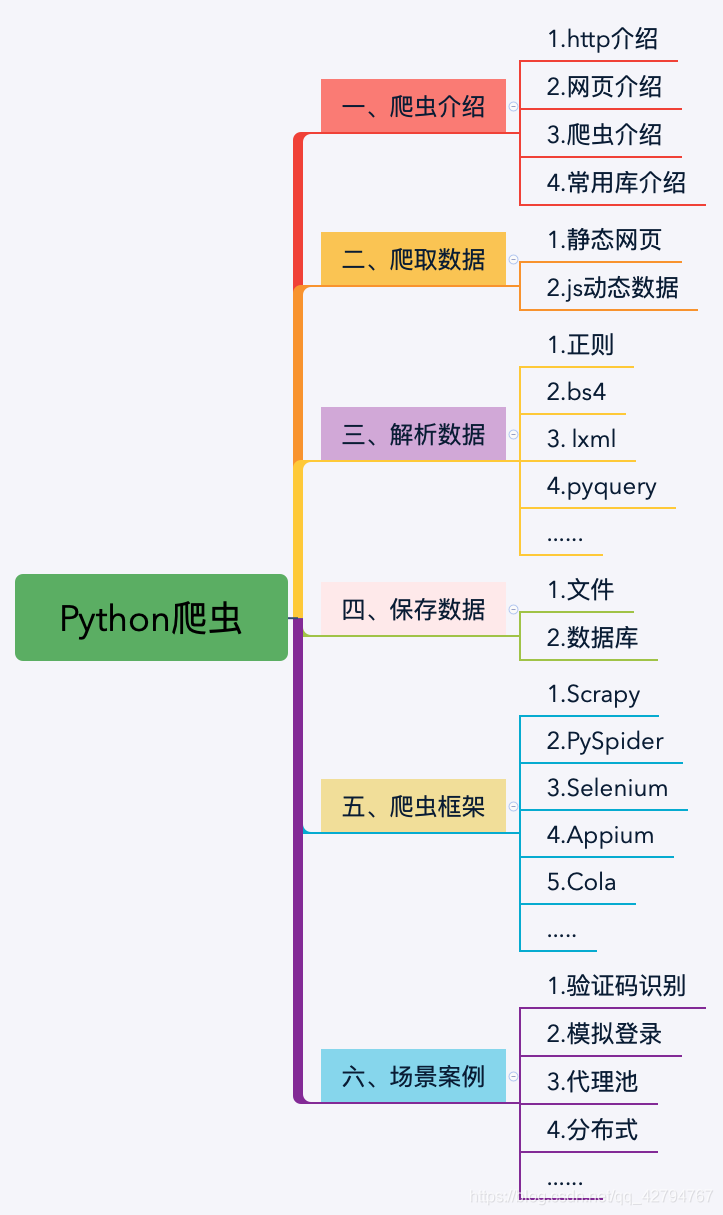 Python's word crawling across 100 degrees.
 PythonTaiichi Taipei Artificial Intelligence Tensoflow Graphic Processing
 Selenium with Tor Browser using Python
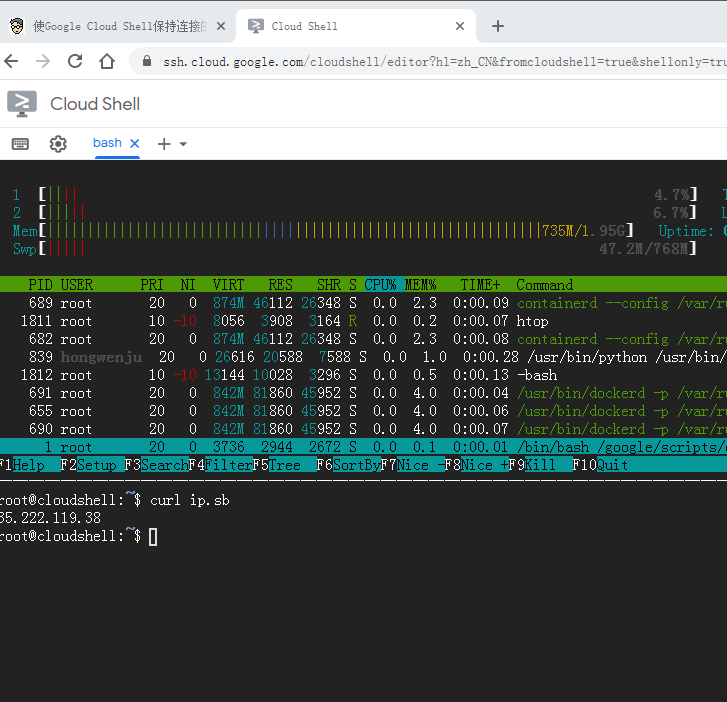 I'm gonna get you a new one, shell.cloud.google on the line.
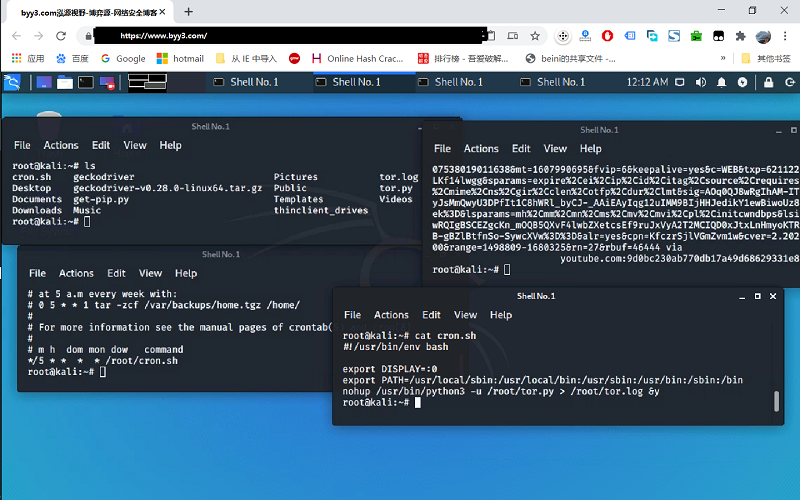 run crontab with python selenium tor browser display in linux

